2026-09-20 · Miguel Rodriguez
Why Water Heaters Fail Faster In Bullhead City Summers
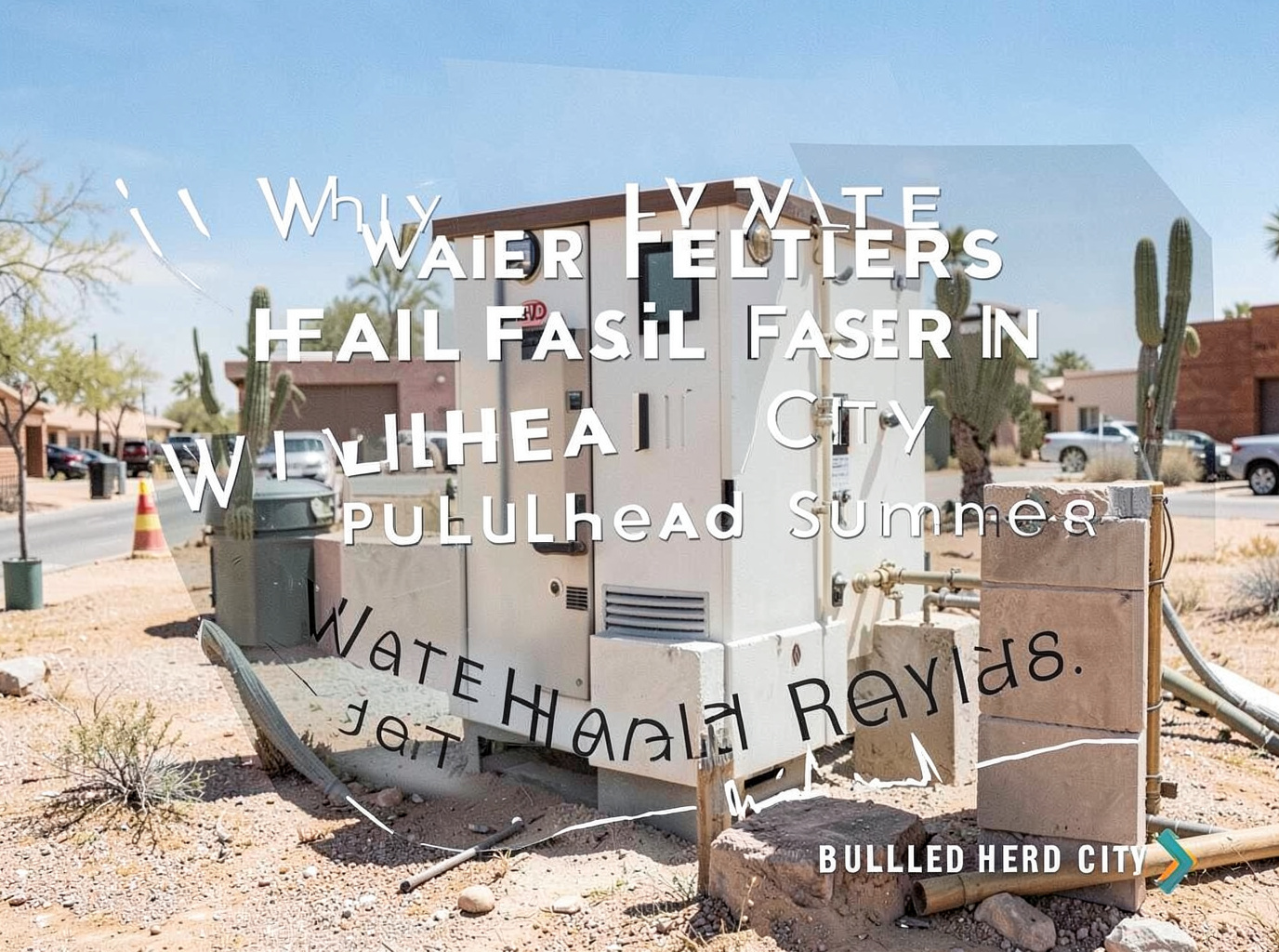
Water heaters in Bullhead City, Arizona, often fail faster during the scorching summer months, sometimes seeing their operational lifespan reduced by 2–5 years compared to units in cooler climates. This accelerated wear isn't just due to the ambient heat, but a combination of factors unique to our hot desert climate along the Colorado River, including elevated incoming water temperatures, increased hot water demand from summer activities, and the persistent issue of hard water prevalent throughout Mohave County. While a typical water heater might last 8–12 years in more temperate regions, residents in areas like Riviera or Historic Downtown Bullhead City often find their units giving out closer to the 6–8 year mark if not properly maintained, especially when the summer temperatures regularly climb past 110°F.
The Impact of Extreme Ambient Temperatures
The relentless heat in Bullhead City during summer, with daily highs consistently above 100°F from June through September, takes a toll on everything, including your water heater. Whether your unit is located in a garage, a utility closet, or even outdoors (though less common for tank models here), it's constantly exposed to elevated ambient temperatures. This means the water heater has to work less to initially heat the water, but the components themselves are under continuous thermal stress. Electronics, insulation, and even the tank's outer shell can degrade faster when operating in an environment that's already pushing 115°F, leading to premature failure of thermostats, heating elements, and pressure relief valves. This constant exposure reduces the efficiency of the unit and can lead to more frequent breakdowns, often requiring an Electric Water Heater Repair or Gas Water Heater Repair sooner than anticipated.
Elevated Incoming Water Temperatures
Beyond the ambient air, the water entering your home in Bullhead City is already significantly warmer in the summer. The Colorado River, our primary water source, warms considerably under the intense desert sun as it flows past the Laughlin Bridge. This means the water entering your water heater might be 80°F or even higher, compared to 50°F or 60°F in cooler seasons or regions. While this might seem like a benefit because the heater doesn't have to work as hard to reach your desired temperature, it actually contributes to faster sediment buildup and corrosion. The warmer water accelerates chemical reactions within the tank, exacerbating the effects of hard water minerals. This can lead to increased stress on the heating elements and tank lining, shortening the overall lifespan of the unit.
The Hard Water Challenge in Mohave County
Bullhead City, like much of Mohave County, contends with notoriously hard water. This means our water contains high concentrations of dissolved minerals, primarily calcium and magnesium. In the summer, as water temperatures rise, these minerals precipitate out of the water more readily, forming stubborn scale and sediment at the bottom of your water heater tank and on heating elements. This mineral buildup acts as an insulating layer, forcing the heating elements to work harder and hotter to transfer heat to the water. This constant overheating leads to premature burnout of heating elements in electric units and can cause stress fractures in the tank of both gas and electric models. Regular Water Heater Flush and Sediment Removal is crucial here, especially before and after the summer, to combat this issue effectively. Neglecting this maintenance is a primary reason for premature failure, often manifesting as a Water Heater Making Popping or Rumbling Noises as sediment shifts and superheated water escapes.
Increased Hot Water Demand During Summer
Paradoxically, even in the heat, summer often brings an increased demand for hot water in Bullhead City households. With more people home from school, guests visiting for river activities, and an overall increase in showers, laundry, and dishwashing, your water heater is working harder. Think about families cooling off after a day at Bullhead City Community Park or enjoying the Colorado River; everyone needs a shower. This higher usage rate means the unit cycles more frequently, drawing in more of that warm, mineral-laden water and constantly heating it. This elevated operational stress, combined with the other factors, pushes the components to their limits, accelerating wear and tear and increasing the likelihood of an unexpected breakdown, often requiring an emergency water heater repair during the busiest times.
Signs Your Water Heater is Struggling
It's important for Bullhead City residents to recognize the warning signs that their water heater is struggling, especially as summer approaches or during its peak. Early detection can often prevent a complete breakdown and costly emergency repairs. Keep an eye out for these common indicators:
- Reduced Hot Water Supply: If your hot showers are getting shorter, or you're running out of hot water faster than usual, it could signal an issue with heating elements or excessive sediment buildup.
- Unusual Noises: Popping, rumbling, or banging sounds from the tank are almost always indicative of sediment accumulation, which is exacerbated by our hard water and summer heat.
- Leaking Around the Base: Any visible water around your water heater is a serious red flag and requires immediate attention. Leaks can stem from pressure buildup, corrosion, or failing connections.
- Rusty or Discolored Water: If you notice your hot water has a reddish or brownish tint, it's a strong sign of internal tank corrosion, indicating your unit is nearing the end of its life.
- Pilot Light Issues (Gas Units): If your pilot light frequently goes out, or your gas burner struggles to ignite, it could be a sign of a failing thermocouple or other gas valve issues, which can be more pronounced under heat stress.